detox
Crucifers and Sulforaphane: Nature’s Most Powerful Detox Activators
Cruciferous vegetables like broccoli, kale, cabbage, and arugula are more than just nutritious—they’re biochemical powerhouses that support your body’s natural detoxification, reduce inflammation, and promote hormone balance. But their healing potential isn’t just in what they contain—it’s in how you prepare and eat them. This post explores why eating raw (or lightly cooked) crucifers matters, how to boost sulforaphane production, and the science behind using everyday foods to gently activate your body’s detox pathways. Let these humble vegetables become catalysts for profound cellular renewal and daily allies in your transformation.
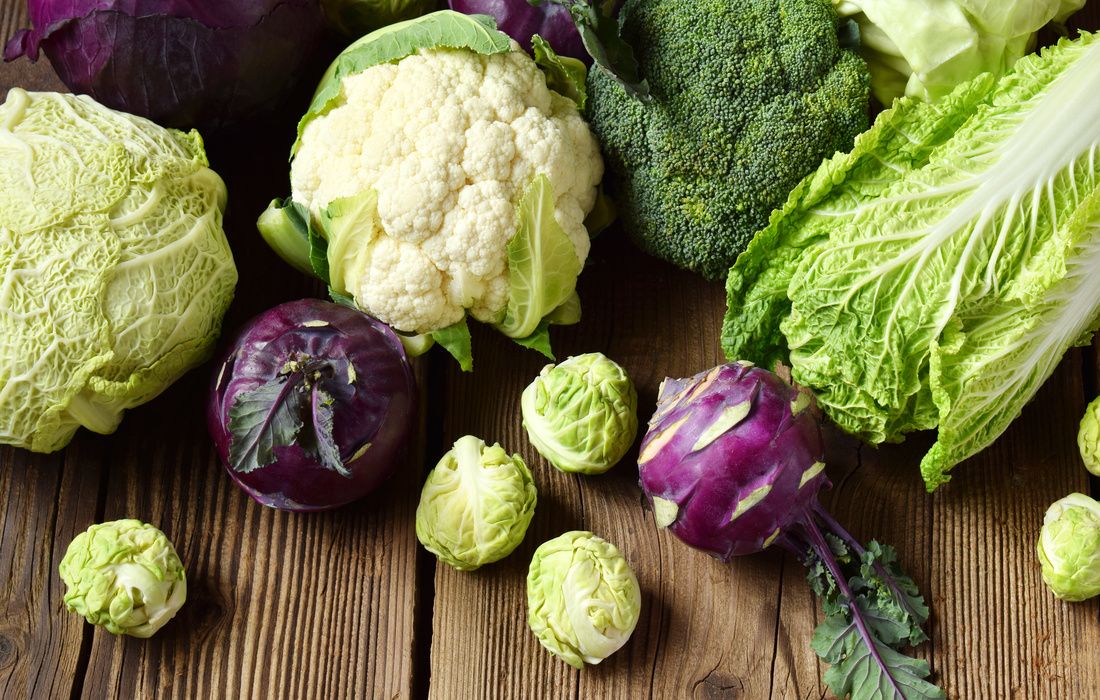
When it comes to daily detoxification, cruciferous vegetables are among nature’s most powerful allies. These humble, often bitter greens and roots are rich in sulfur-containing compounds that activate your body’s innate ability to neutralize toxins, lower inflammation, and support hormone balance.
But to unlock their full healing potential, we need to understand the alchemy that happens when we chop, chew, or blend them. That’s where sulforaphane—a potent compound formed in raw crucifers—comes into play.
What Are Cruciferous Vegetables?
Cruciferous vegetables are part of the Brassicaceae family—a group of nutrient-dense plants known for their signature sulfur-rich taste and remarkable health benefits. The name “cruciferous” refers to the cross-shaped pattern of their flowers, but their gifts go far beyond the botanical.
These vegetables are especially rich in glucosinolates, which convert into powerful compounds like sulforaphane, indole-3-carbinol, and PEITC that help your body detox, balance hormones, and reduce oxidative stress. As our environment becomes more polluted, supporting gentle, daily detoxification becomes essential for reducing inflammation and preventing chronic disease.
Common cruciferous vegetables include:
- Broccoli
- Broccoli sprouts
- Kale
- Cabbage (green, red, napa)
- Arugula
- Collard greens
- Mustard greens
- Mizuna
- Tatsoi
- Bok choy
- Brussels sprouts
- Watercress
- Daikon radish
- Red or black radishes
- Kohlrabi
- Turnips
- Romanesco
- Cauliflower
- Broccolini
- Rutabaga
Including a variety of these vegetables—both raw and lightly cooked—ensures a steady supply of compounds that protect cells, regulate detoxification, and reduce chronic inflammation.
Glucosinolates: The Detox Compounds Inside Crucifers
Cruciferous vegetables store their healing potential in glucosinolates—sulfur-rich compounds that remain inactive until the plant is chopped, chewed, or blended. This disruption activates the enzyme myrosinase, which converts glucosinolates into various biologically active metabolites, including isothiocyanates and indoles. These compounds play distinct roles in supporting detoxification, reducing inflammation, balancing hormones, and protecting cells.
Each type of cruciferous vegetable contains its own profile of glucosinolates, giving rise to unique combinations of these protective compounds.
Key Glucosinolates and What They Become
- Glucoraphanin → Sulforaphane: Found in broccoli, kale, and Brussels sprouts. Supports antioxidant defenses and activates detox enzymes.
- Glucobrassicin → Indole-3-Carbinol (I3C) → DIM: Found in cabbage, Brussels sprouts, and kale. Supports estrogen metabolism and helps protect DNA.
- Gluconasturtiin → PEITC (phenethyl isothiocyanate): Found in kohlrabi, watercress, mustard greens, and radishes. Stimulates detoxification enzymes, reduces inflammation, and protects cells.
- Sinigrin → AITC (allyl isothiocyanate): Found in mustard seeds, horseradish, and brussels sprouts (lower levels). Provides antimicrobial activity and promotes liver detox enzyme production. AITC also contributes to the pungency and nasal-clearing sensation of these foods.
To get the most benefit, aim to eat at least one serving of raw or lightly cooked crucifers each day. Chopping and letting them sit for 10 to 15 minutes before cooking helps preserve enzyme activity and optimize sulforaphane formation.
Why Raw Is Best
Cruciferous vegetables deliver their greatest health benefits when eaten raw or lightly cooked. That’s because the transformation of their key compounds into potent, health-promoting molecules—like sulforaphane and indole-3-carbinol—depends on the activity of myrosinase, an enzyme activated by cutting, chewing, or blending. Heat can inactivate this enzyme, which is why preparation methods are so important.
What Is Myrosinase?
Myrosinase is a plant enzyme that catalyzes the breakdown of glucosinolates into biologically active compounds such as:
- Isothiocyanates (such as sulforaphane, phenethyl isothiocyanate)
- Indoles (such as indole-3-carbinol)
Why Myrosinase Matters
Without myrosinase, glucosinolates may pass through the digestive tract unmetabolized, limiting their detoxifying, anti-inflammatory, and anticancer potential. While raw cruciferous vegetables contain active myrosinase, the enzyme is highly sensitive to heat and is destroyed by boiling, microwaving, or prolonged steaming.
While gut microbes can also break down glucosinolates in the absence of plant-derived myrosinase, this microbial activity varies significantly from person to person. Factors such as gut microbiome composition, diet, and overall health influence how efficiently these compounds are metabolized, which may affect the potential health benefits of cooked cruciferous vegetables.
How to Maximize Myrosinase Activity
- Chop, blend, or chew well to rupture plant cell walls and activate myrosinase.
- Let chopped crucifers rest for 10 to 15 minutes before light steaming. This allows the myrosinase enzyme to begin converting glucosinolates into beneficial compounds before being inactivated by heat (this is only useful for light steaming or gentle sautéing as high heat cooking will destroy the formed sulforaphane).
- Eat some raw crucifers (like broccoli sprouts, arugula, cabbage slaw, or daikon) with cooked ones to introduce active myrosinase at the meal.
- Pair cooked vegetables with mustard powder, which contains heat-stable myrosinase.
Sulforaphane: Detox Hero of the Cruciferous World
Sulforaphane is one of the most bioactive and beneficial compounds found in cruciferous vegetables. It’s formed when glucoraphanin, a glucosinolate found in plants like broccoli and kale, is converted by the enzyme myrosinase—which becomes active through chopping, chewing, or blending.
Once formed, sulforaphane activates detoxification and antioxidant genes inside your cells. It helps regulate oxidative stress, supports hormone balance, enhances liver detoxification, and promotes cellular repair. This makes sulforaphane a foundational nutrient for daily renewal and long-term health.
Sulforaphane has been studied extensively for its ability to:
- Stimulate Phase II liver detoxification enzymes
- Activate Nrf2, a transcription factor that turns on your antioxidant defense system
- Enhance the detoxification of estrogen metabolites, supporting healthy hormone balance
- Reduce inflammation and oxidative stress
- Protect DNA and promote cellular repair
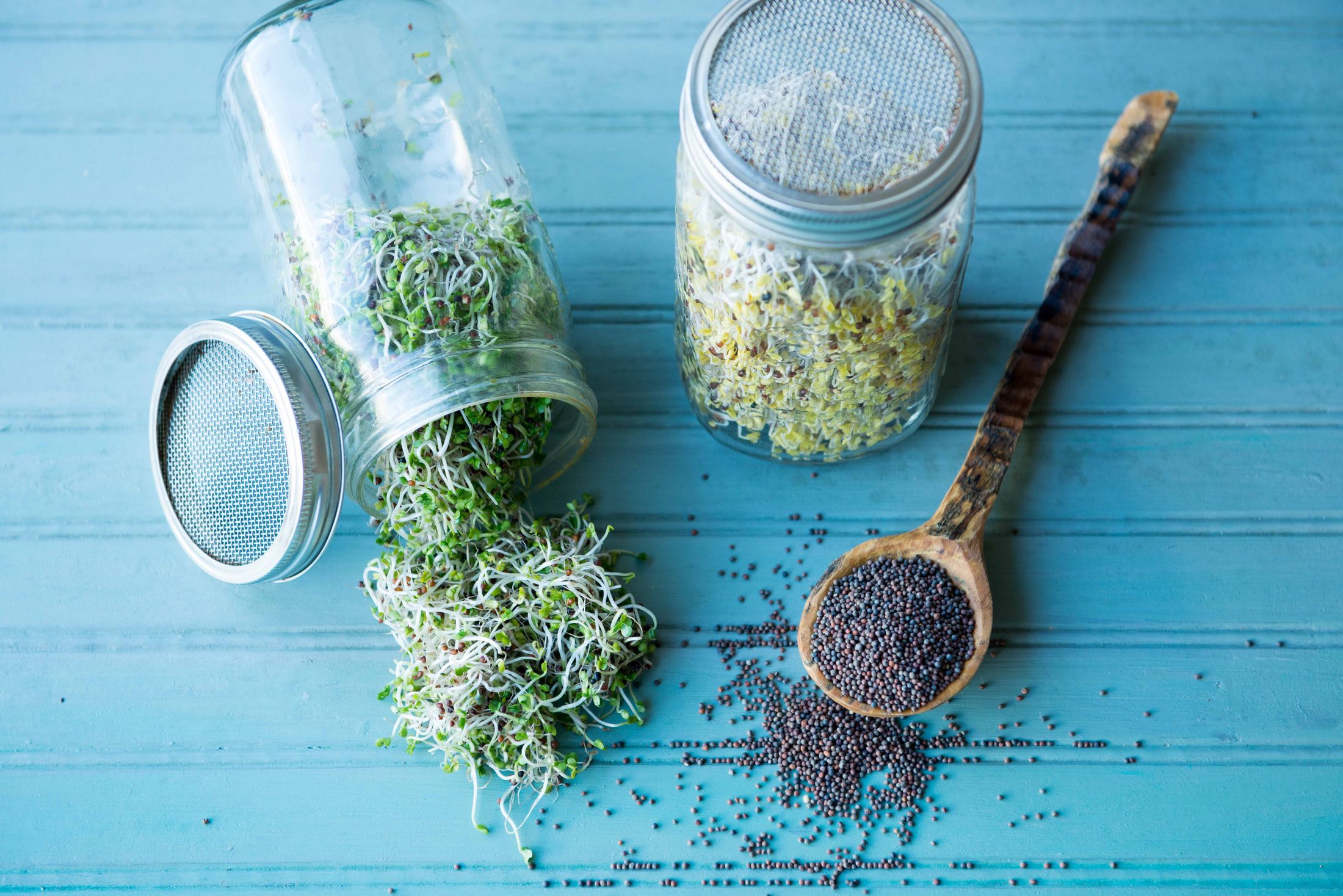
Broccoli sprouts are particularly high in glucoraphanin—containing up to 100 times more than mature broccoli.
How to Eat More Crucifers
This is the gift of crucifers: not just food, but daily cellular renewal—activating the pathways your body needs to heal, detoxify, and thrive. By incorporating a variety of raw and gently cooked cruciferous vegetables into your meals, you’re helping to regulate hormones, reduce inflammation, and support your body’s innate detoxification systems.
Want to decrease inflammation, support your body’s resilience, and increase detox capacity? Then let cruciferous vegetables—and especially broccoli sprouts—be a daily part of your nourishment rhythm. Enjoy at least ½ cup of raw cruciferous vegetables daily such as arugula, cabbage, radishes, broccoli sprouts.
Adding crucifers to your meals can be simple and delicious. Try:
- Raw: Broccoli sprouts, shredded cabbage, daikon, arugula, kohlrabi, broccoli
- Lightly steamed: Kale, brussels sprouts, collard greens
- Blended: Crucifer-rich smoothies or green juices
- Fermented: Sauerkraut, kimchi, pickled cauliflower
- Baked or roasted: Cauliflower, broccoli, turnips, and brussels sprouts
Download the Cruciferous Veggie Guide
Looking for a beautiful, science-backed resource you can keep in your kitchen? This free Cruciferous Vegetable Guide goes far beyond preparation tips. Inside, you’ll discover:
— The top cruciferous vegetables and the unique compounds they contain
— How raw and lightly steamed crucifers activate powerful detox pathways
— Easy ways to incorporate these healing foods into your daily meals
— Visual inspiration and guidance to help you remember what to eat and why
Print it, pin it to your fridge, or share it with a friend—it’s a simple tool to support your path to wholeness, one nourishing choice at a time.
Keep Going on Your Detox Journey
Crucifers are just one part of your body’s rhythm of renewal. Explore more ways to nourish your detox pathways:
Gift #6: Add in Detoxification Supportive Foods and Practices →
Discover this month’s theme in the 12 Gifts of Health series—what to remove, what to replenish, and how to restore your body’s balance.
How to Do a Detoxification Diet and Why →
Dive deeper into the science and strategy behind a detox-supportive way of eating that’s focused on nourishment, not restriction.
Hydration: The Foundation of Detox →
Learn how minerals, water quality, and electrolytes support deep hydration and gentle detoxification.
Blue Spirulina Electrolyte Drink →
Try a vibrant, mineral-rich drink that supports cellular hydration and antioxidant defense.
 More about Alissa
I'm sure the raw cruciferous…
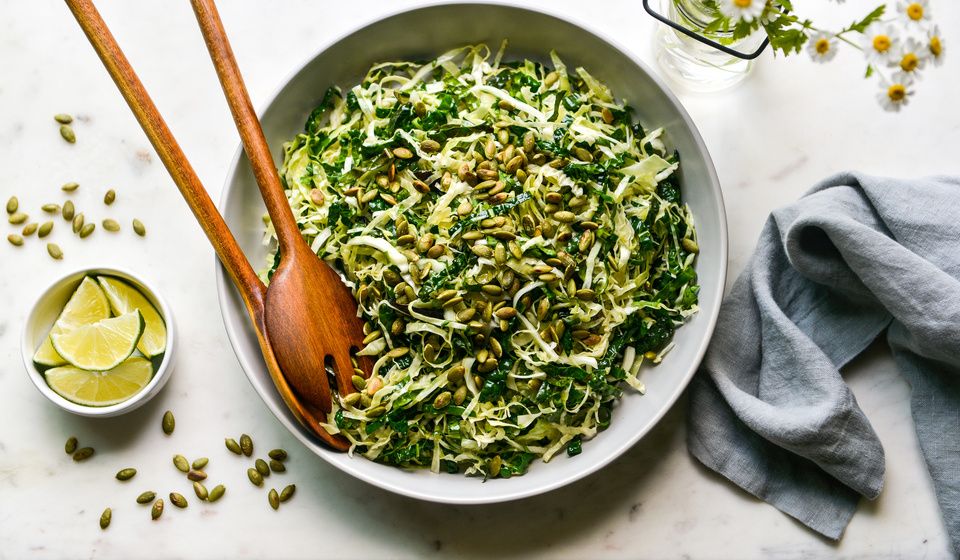
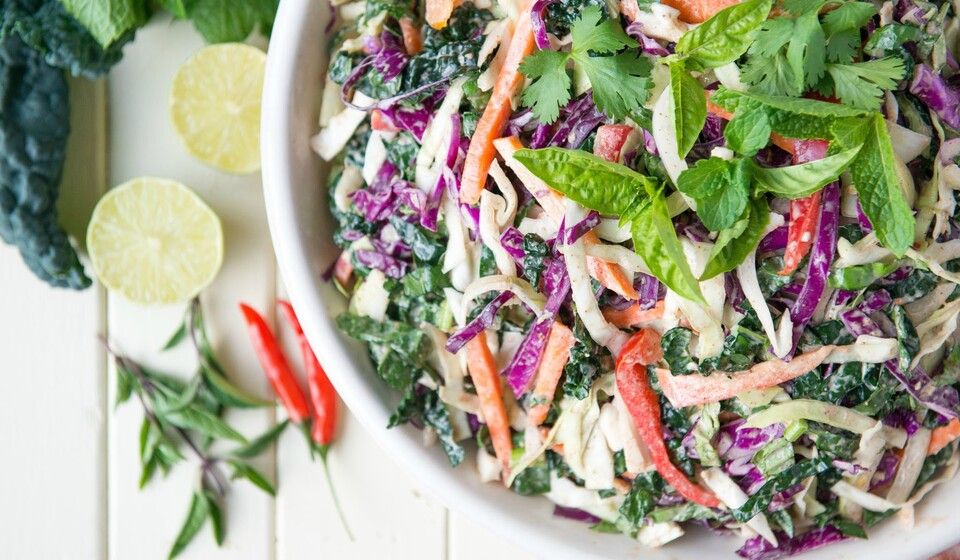
I'm sure the raw cruciferous slaw is good tasting. However if you have autoimmune disease you can NOT eat raw cruciferous vegetables. When cooked, they can be eaten.