Latest from the journal
406 posts

The Top 14 Anti-Inflammatory Foods
Inflammation is regulated through specific biological pathways, many of which are directly influenced by the nutrients and phytochemicals we consume. Polyphenols influence the molecular switches that turn inflammatory genes up or down. Omega-3 fats influence cell membrane composition and the body’s production of compounds that help resolve inflammation. Fermentable fibers shape microbial metabo…
Read article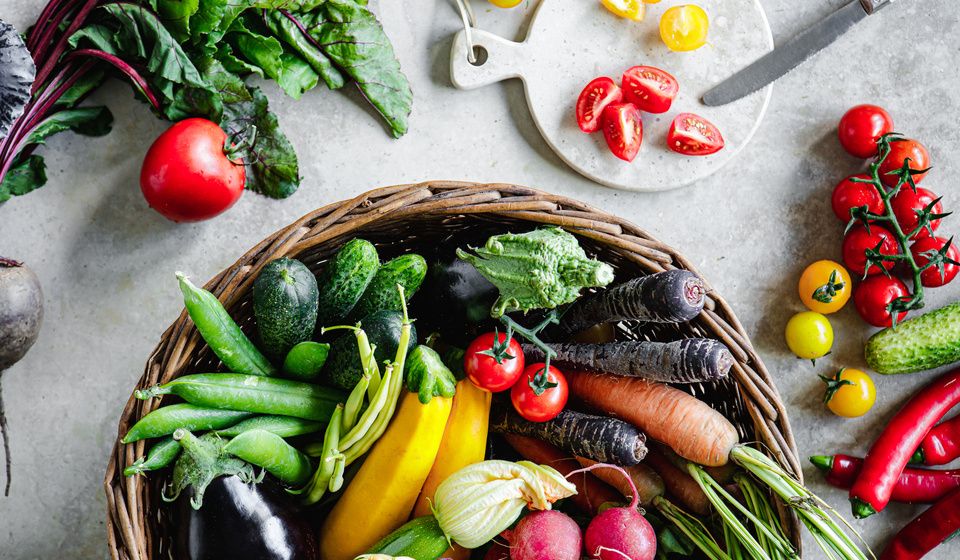
Anti-Inflammatory Foods: What to Eat More Of
An anti-inflammatory diet isn’t about chasing superfoods or eliminating everything at once. It’s about shifting daily patterns so your body receives fewer inflammatory signals and more of what supports repair, balance, and resilience. Inflammation responds to repeated inputs—blood sugar swings, oxidative stress, immune activation, gut barrier disruption, and damaged fats—not isolated meals. Foo…
Read article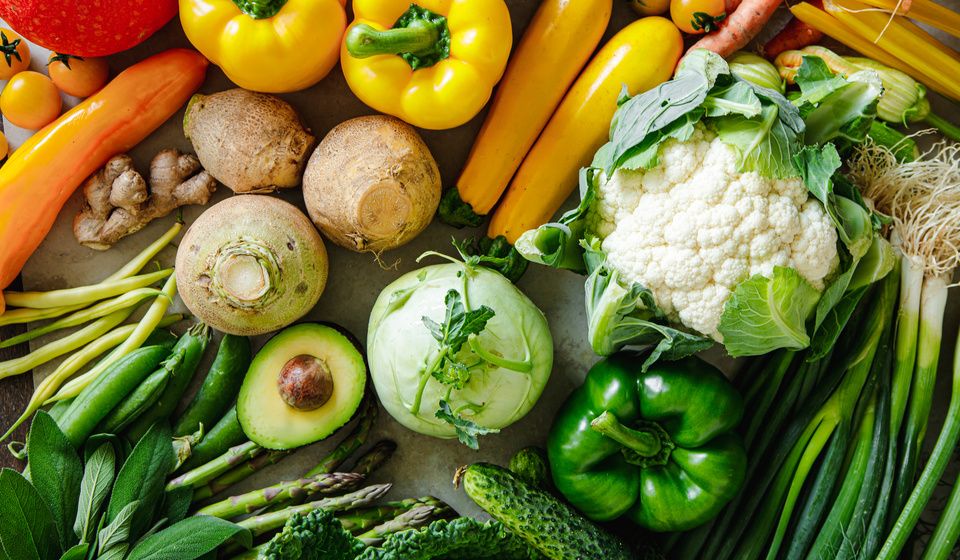
What Inflammation Is and How Food Influences It
Inflammation is one of the body’s most important protective responses, and one of the most misunderstood. Inflammation is not a symptom or a diagnosis, it is a biological signaling process the immune system uses to protect you, repair damage, and restore balance. When inflammation turns on briefly and then resolves, it supports healing. When the signal stays active, or the body can’t complete t…
Read article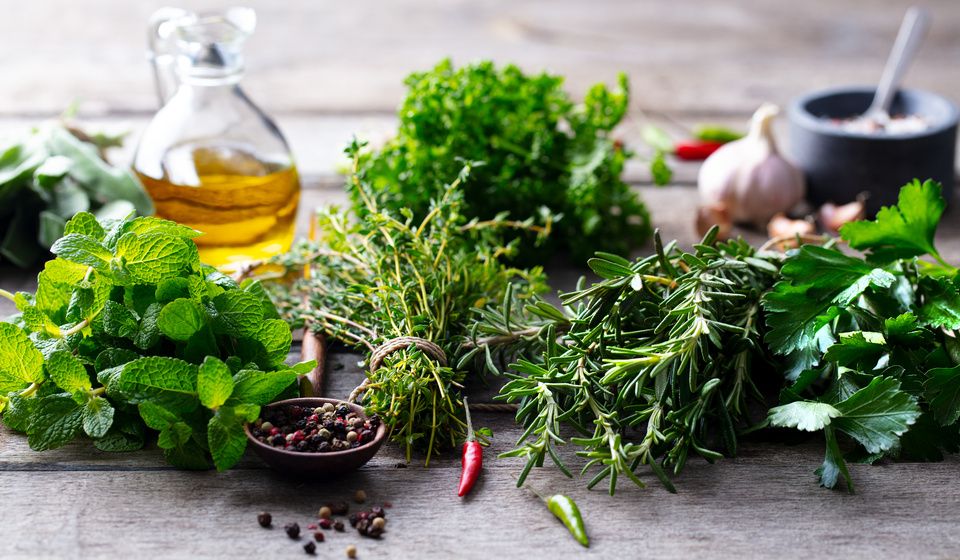
The Anti-Inflammatory Diet: What You Need to Know
Chronic inflammation sits quietly beneath many modern health challenges. And food is one of the most powerful influences on whether we continue to fuel that internal fire, or help calm it. Inflammation can build for several reasons. It can arise from regularly eating highly processed foods that increase oxidative stress, a state in which free radicals outpace the body’s antioxidant defenses. It…
Read article
Safe Relationships: A Biological Requirement for Health
Safe relationships are a biological requirement for health. From birth onward, the human nervous system develops in response to safe, attuned connection—through touch, facial expression, tone of voice, and emotional availability. These cues shape how the brain, immune system, gut, and stress response learn to regulate themselves across the lifespan. This is known as co-regulation. Humans are wi…
Read article
Self-Care Is the Work That Changes You
Self-care is the practice of supporting your body and nervous system in ways that create real, lasting change. This is the transformative work that changes your health and your relationship with yourself at the same time. The work of removing inflammatory foods, identifying food sensitivities, reducing sugar and alcohol, supporting detoxification, healing the gut, prioritizing protein, and rest…
Read article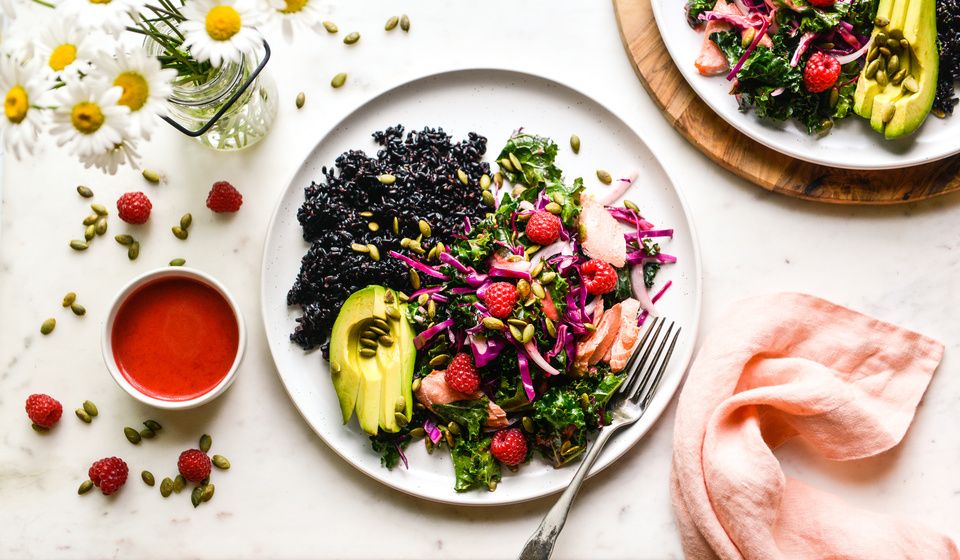
What Does a Cortisol-Balancing Diet Look Like?
A cortisol-balancing way of eating isn’t about special foods or strict rules. It begins by removing foods that drive inflammation or immune reactions, prioritizing anti-inflammatory nourishment, and balancing blood sugar throughout the day. From there, it’s about how meals are structured and spaced so the body doesn’t have to compensate with stress hormones. Cortisol responds best to predict…
Read article
Tulsi Tea: A Daily Ritual for Nervous System Resilience
When the body has been under stress for a long time, it doesn’t immediately relax just because the stressor is gone. Cortisol rhythms can remain disrupted, keeping the nervous system in a low-grade state of alert. This is where gentle, consistent signals of safety matter. Tulsi (holy basil) tea is one of those signals. Tulsi has been revered across cultures for centuries, not only as a medic…
Read article
How Nervous System Dysregulation Affects Digestion
If digestion feels unpredictable—bloating one day, discomfort the next, reactions to foods that should be fine—it’s easy to assume the problem is the food. However, digestion doesn’t begin in the stomach. It begins in the nervous system. Digestion is a parasympathetic process. When the body feels safe, relaxed, and supported, digestive secretions flow, motility is coordinated, and nutrients ar…
Read article
How to Balance Cortisol With Diet
Cortisol often gets labeled as a “stress hormone,” but in a healthy body, cortisol is not the enemy. It’s a guiding hormone. One that helps regulate energy, blood sugar, inflammation, blood pressure, and the sleep–wake cycle. When cortisol follows its natural daily rhythm, mornings feel alert, energy stays steady, and sleep becomes deep and restorative. When the rhythm is disrupted, the body ca…
Read article