Longevity
49 posts
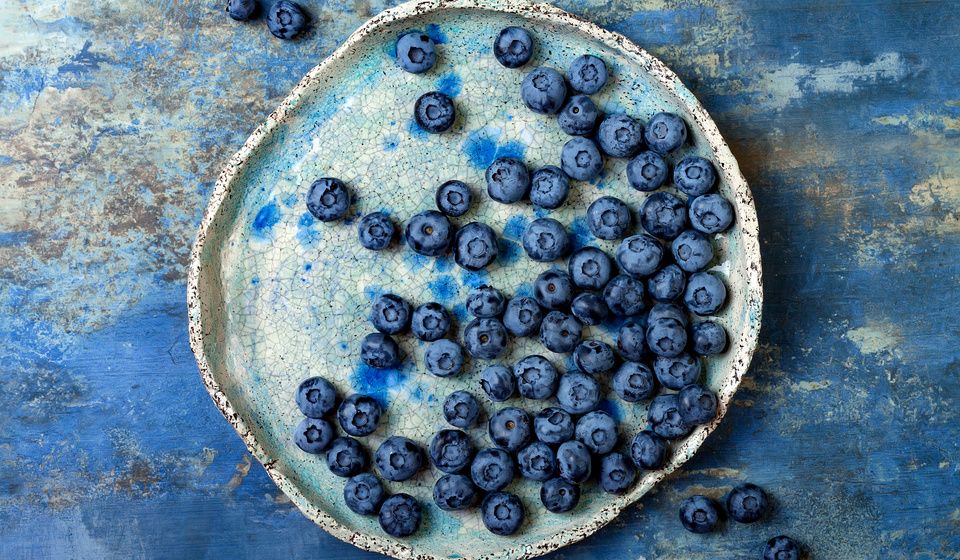
The Top 14 Anti-Inflammatory Foods
Inflammation is regulated through specific biological pathways, many of which are directly influenced by the nutrients and phytochemicals we consume. Polyphenols influence the molecular switches that turn inflammatory genes up or down. Omega-3 fats influence cell membrane composition and the body’s production of compounds that help resolve inflammation. Fermentable fibers shape microbial metabo…
Read article
Anti-Inflammatory Foods: What to Eat More Of
An anti-inflammatory diet isn’t about chasing superfoods or eliminating everything at once. It’s about shifting daily patterns so your body receives fewer inflammatory signals and more of what supports repair, balance, and resilience. Inflammation responds to repeated inputs—blood sugar swings, oxidative stress, immune activation, gut barrier disruption, and damaged fats—not isolated meals. Foo…
Read article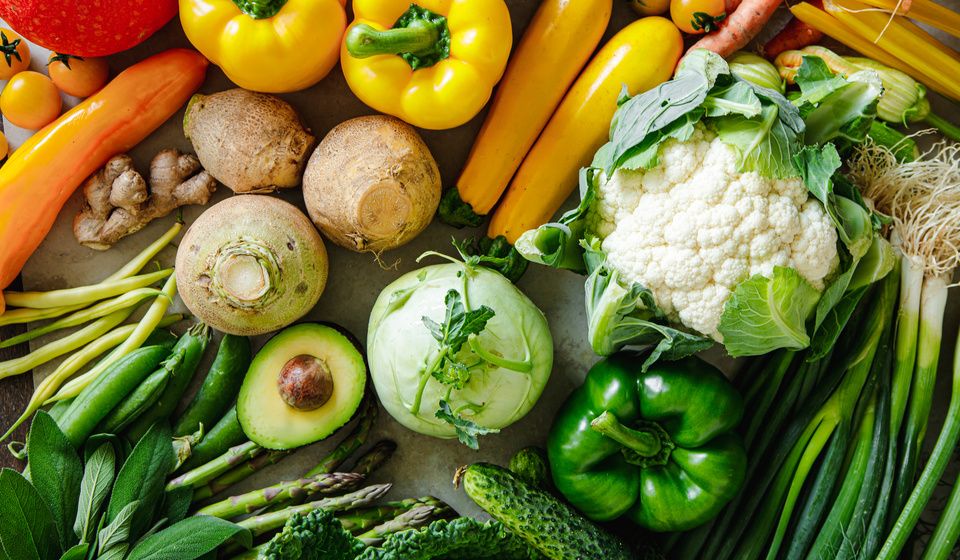
What Inflammation Is and How Food Influences It
Inflammation is one of the body’s most important protective responses, and one of the most misunderstood. Inflammation is not a symptom or a diagnosis, it is a biological signaling process the immune system uses to protect you, repair damage, and restore balance. When inflammation turns on briefly and then resolves, it supports healing. When the signal stays active, or the body can’t complete t…
Read article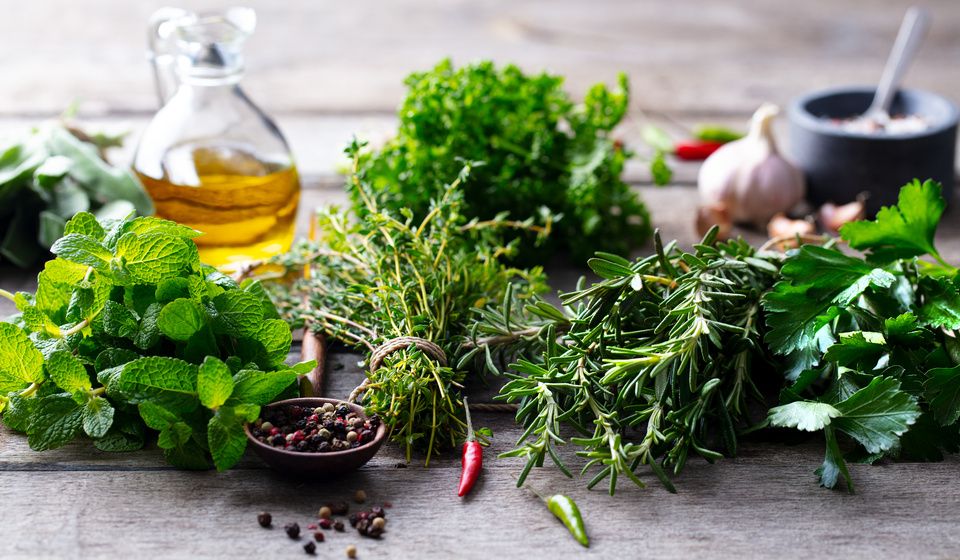
The Anti-Inflammatory Diet: What You Need to Know
Chronic inflammation sits quietly beneath many modern health challenges. And food is one of the most powerful influences on whether we continue to fuel that internal fire, or help calm it. Inflammation can build for several reasons. It can arise from regularly eating highly processed foods that increase oxidative stress, a state in which free radicals outpace the body’s antioxidant defenses. It…
Read article
Self-Care Is the Work That Changes You
Self-care is the practice of supporting your body and nervous system in ways that create real, lasting change. This is the transformative work that changes your health and your relationship with yourself at the same time. The work of removing inflammatory foods, identifying food sensitivities, reducing sugar and alcohol, supporting detoxification, healing the gut, prioritizing protein, and rest…
Read article
How to Balance Cortisol With Diet
Cortisol often gets labeled as a “stress hormone,” but in a healthy body, cortisol is not the enemy. It’s a guiding hormone. One that helps regulate energy, blood sugar, inflammation, blood pressure, and the sleep–wake cycle. When cortisol follows its natural daily rhythm, mornings feel alert, energy stays steady, and sleep becomes deep and restorative. When the rhythm is disrupted, the body ca…
Read article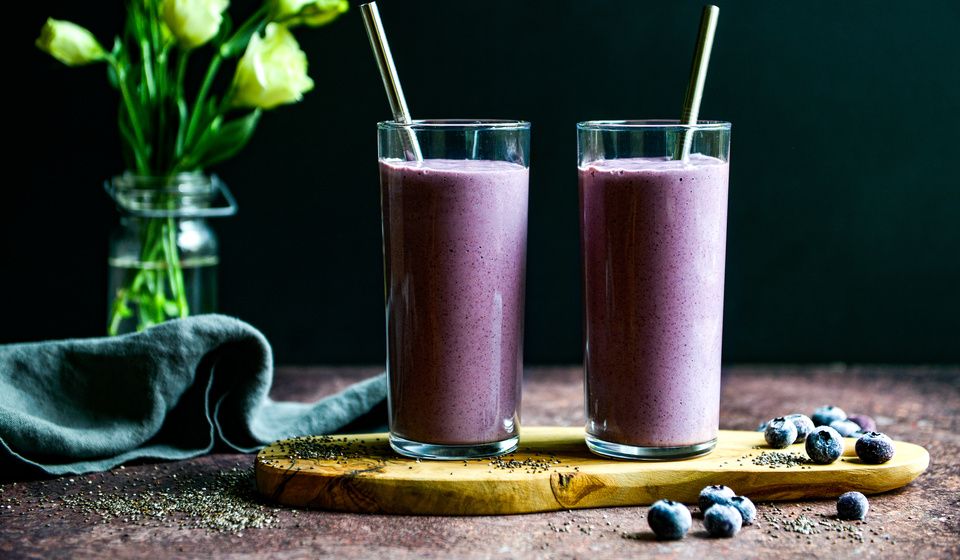
Blueberry Protein Smoothie Recipe
In my last post, High-Protein Breakfast Ideas for All-Day Energy, we explored how starting your day with balanced macronutrients sets the tone for steady blood sugar and focus. This Blueberry Protein Smoothie puts those principles into action. It’s a quick, nourishing breakfast that delivers clean protein, healthy fats, and antioxidant-rich plant compounds to fuel you from morning to afternoon. …
Read article
High-Protein Breakfast Ideas for All-Day Energy
Starting your day with enough protein is one of the simplest ways to transform your energy, focus, and mood. When breakfast is mostly carbs (toast, cereal, fruit juice), blood sugar rises quickly and then crashes mid-morning, leaving you tired, foggy, and craving sugar or caffeine. Instead, beginning your day with protein, healthy fats, and fiber slows digestion, keeps blood sugar balanced, and su…
Read article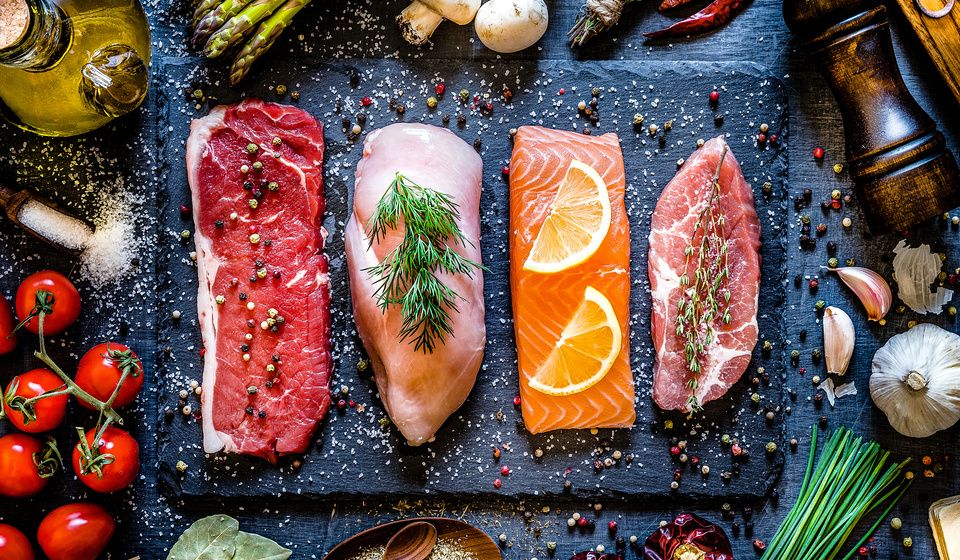
The Power of Protein for Healing, Energy, and Longevity
Protein is more than fuel for building muscle—it’s the foundation of nearly every healing and maintenance process in the body. Every cell contains protein, and nearly all enzymes and many hormones are made from it. Amino acids, the building blocks of protein, are essential for detoxification, waste removal, muscle repair, neurotransmitter production, and immune function. Without them, your body ca…
Read article
Why Gut Function Determines Nutrient Absorption
When we talk about nutrient density, there’s one essential truth. You are not just what you eat…you are what you absorb. Most of us assume that if we fill our plates with nutrient-dense foods, our bodies will automatically use them. But absorption isn’t automatic. Nutrient deficiencies can certainly stem from poor intake, but often more so from impaired digestion and absorption. The gut is n…
Read article