Anti-inflammatory
42 posts
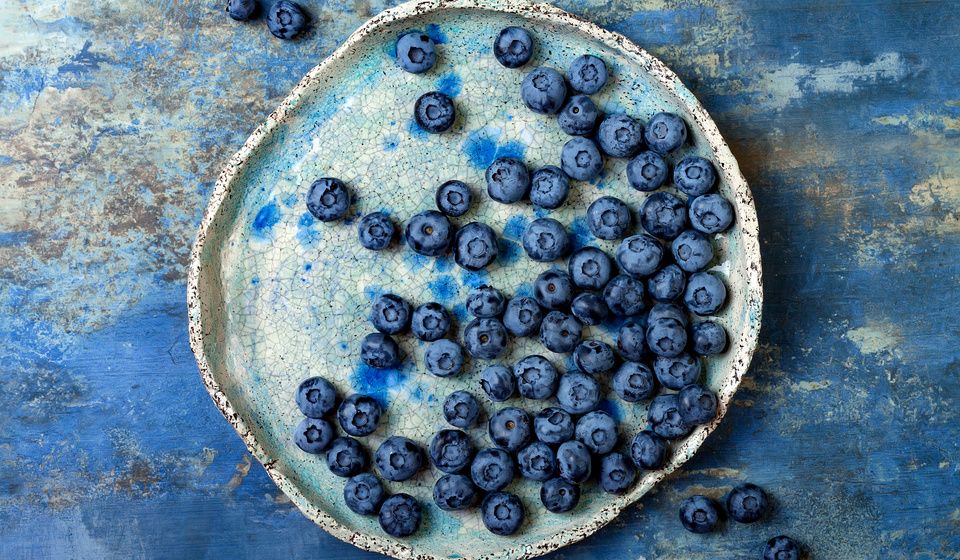
The Top 14 Anti-Inflammatory Foods
Inflammation is regulated through specific biological pathways, many of which are directly influenced by the nutrients and phytochemicals we consume. Polyphenols influence the molecular switches that turn inflammatory genes up or down. Omega-3 fats influence cell membrane composition and the body’s production of compounds that help resolve inflammation. Fermentable fibers shape microbial metabo…
Read article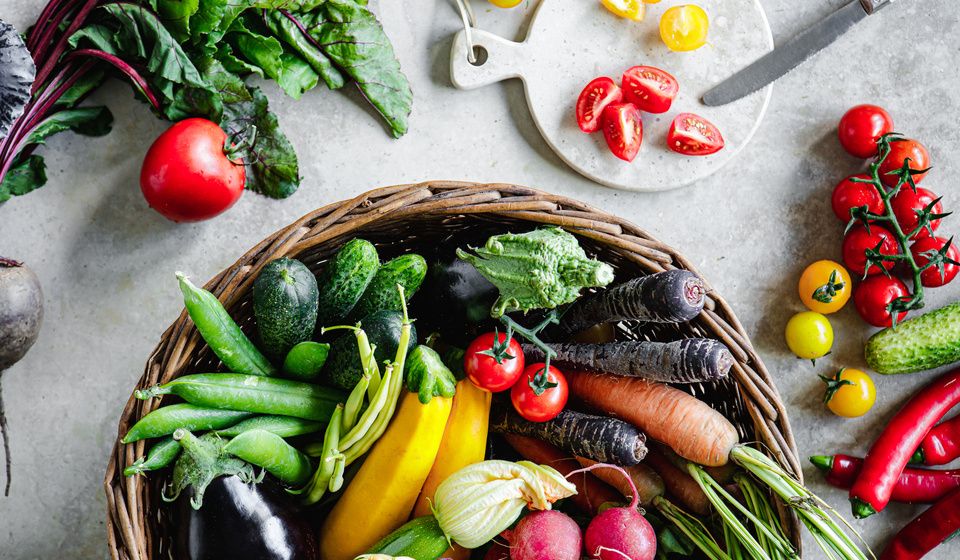
Anti-Inflammatory Foods: What to Eat More Of
An anti-inflammatory diet isn’t about chasing superfoods or eliminating everything at once. It’s about shifting daily patterns so your body receives fewer inflammatory signals and more of what supports repair, balance, and resilience. Inflammation responds to repeated inputs—blood sugar swings, oxidative stress, immune activation, gut barrier disruption, and damaged fats—not isolated meals. Foo…
Read article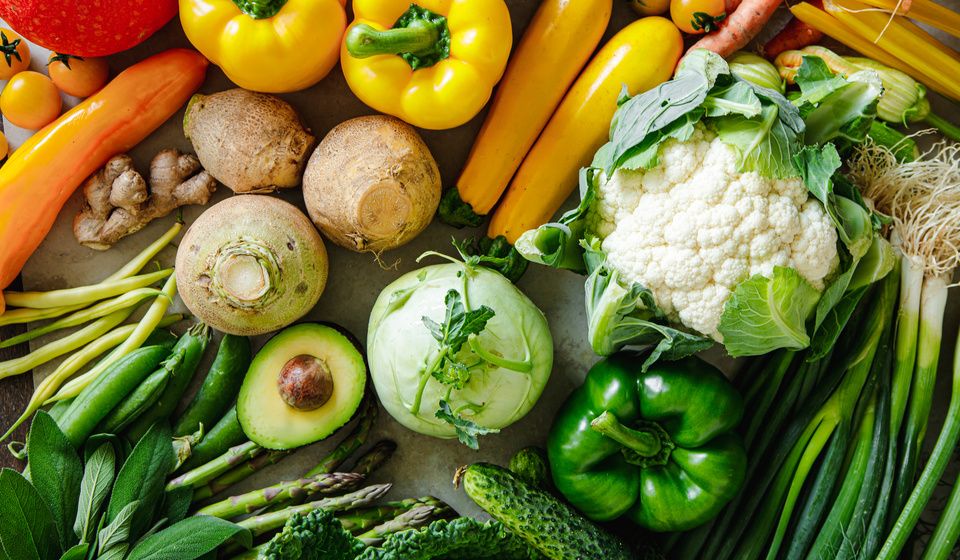
What Inflammation Is and How Food Influences It
Inflammation is one of the body’s most important protective responses, and one of the most misunderstood. Inflammation is not a symptom or a diagnosis, it is a biological signaling process the immune system uses to protect you, repair damage, and restore balance. When inflammation turns on briefly and then resolves, it supports healing. When the signal stays active, or the body can’t complete t…
Read article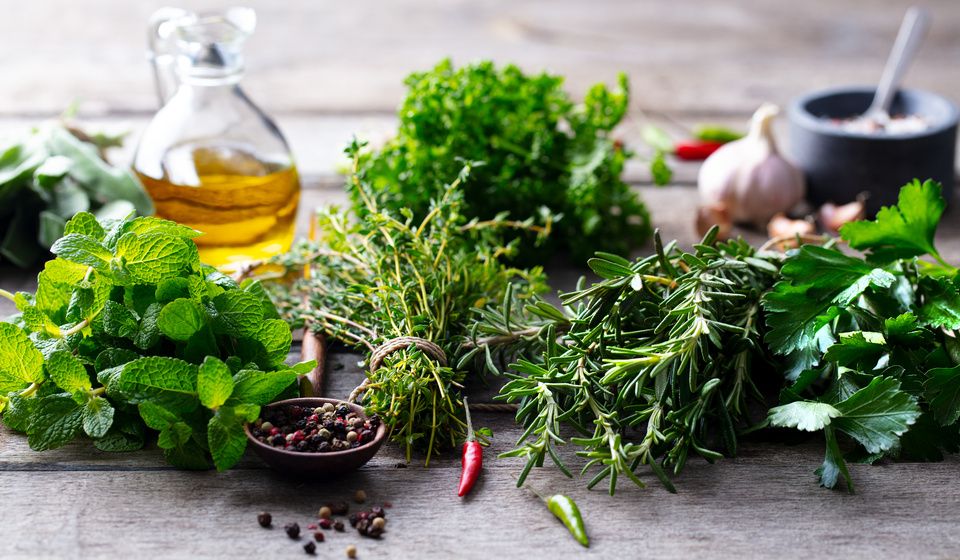
The Anti-Inflammatory Diet: What You Need to Know
Chronic inflammation sits quietly beneath many modern health challenges. And food is one of the most powerful influences on whether we continue to fuel that internal fire, or help calm it. Inflammation can build for several reasons. It can arise from regularly eating highly processed foods that increase oxidative stress, a state in which free radicals outpace the body’s antioxidant defenses. It…
Read article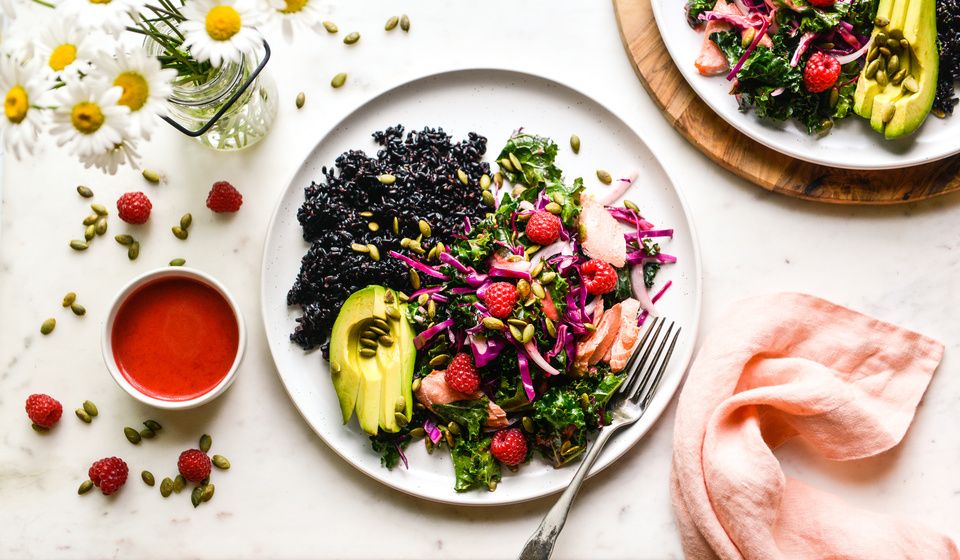
What Does a Cortisol-Balancing Diet Look Like?
A cortisol-balancing way of eating isn’t about special foods or strict rules. It begins by removing foods that drive inflammation or immune reactions, prioritizing anti-inflammatory nourishment, and balancing blood sugar throughout the day. From there, it’s about how meals are structured and spaced so the body doesn’t have to compensate with stress hormones. Cortisol responds best to predict…
Read article
How Nervous System Dysregulation Affects Digestion
If digestion feels unpredictable—bloating one day, discomfort the next, reactions to foods that should be fine—it’s easy to assume the problem is the food. However, digestion doesn’t begin in the stomach. It begins in the nervous system. Digestion is a parasympathetic process. When the body feels safe, relaxed, and supported, digestive secretions flow, motility is coordinated, and nutrients ar…
Read article
How to Balance Cortisol With Diet
Cortisol often gets labeled as a “stress hormone,” but in a healthy body, cortisol is not the enemy. It’s a guiding hormone. One that helps regulate energy, blood sugar, inflammation, blood pressure, and the sleep–wake cycle. When cortisol follows its natural daily rhythm, mornings feel alert, energy stays steady, and sleep becomes deep and restorative. When the rhythm is disrupted, the body ca…
Read article
How Food Sensitivities Affect Sleep
Food sensitivities can contribute to chronic inflammation, which disrupts the communication between your gut, immune system, and brain, Over time, this ongoing inflammation can affect everything from your mood to your sleep to your overall well-being. Unlike a food allergy, which triggers an immediate and sometimes severe immune reaction, a food sensitivity creates a slower, more subtle inflamm…
Read article
Moroccan Lamb and Greens with Lemon-Tahini Drizzle
When you are running low, feeling inflamed, and dealing with a health condition—or simply wanting to change your diet to eat more nutrient-dense foods—you may not have the time or energy to cook anything elaborate. In fact, when you’re under the constant pressure of inflammation, autoimmunity, or even chronic stress, it can be very difficult to consistently prepare nourishing meals for yourself. B…
Read article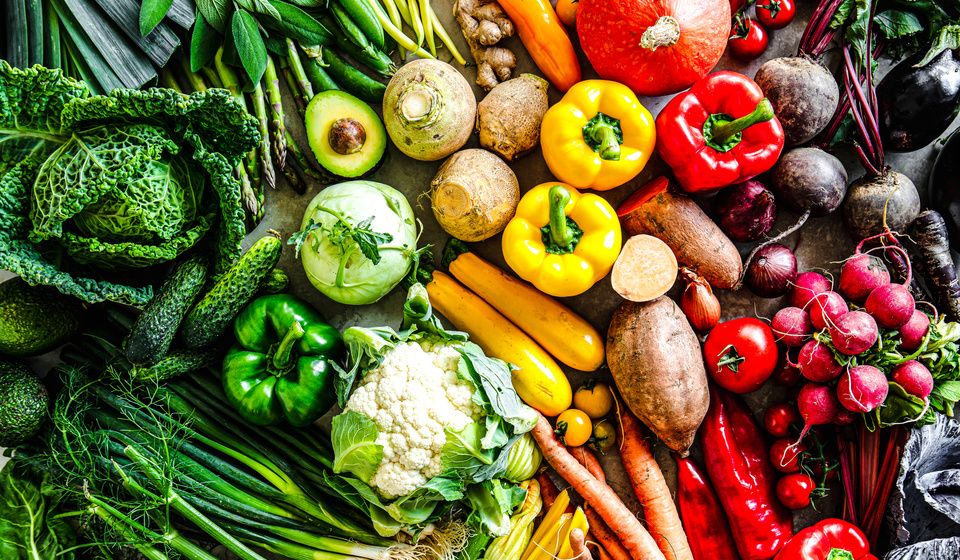
Why Diet Diversity Is the Key to a Resilient Gut and Lasting Health
Eating a wide variety of whole foods can calm inflammation, rebalance the gut, and liberate your healing journey. A diverse microbiome—a thriving ecosystem of beneficial microbes that live in and on your body—is foundational to gut health. It helps prevent the overgrowth of yeast and opportunistic pathogens, supports gut barrier integrity, and reduces inflammation by producing short-chain fatty ac…
Read article