detox
The 11 Most Supportive Detox Foods to Help Your Body Cleanse and Rebuild Naturally
Every day, your body works to break down and eliminate toxins. But with modern exposures—like pesticides, plastics, and chronic stress—those systems can become overburdened or impaired. The most sustainable way to support them? Food. This post reveals 11 of the most powerful detox-supportive foods—each one backed by science, along with simple ways to incorporate them into everyday meals. From cruciferous vegetables to citrus to turmeric, these everyday ingredients help your body cleanse, repair, and return to balance. Let food become your medicine—supporting your body’s natural ability to restore itself, one nourishing bite at a time.
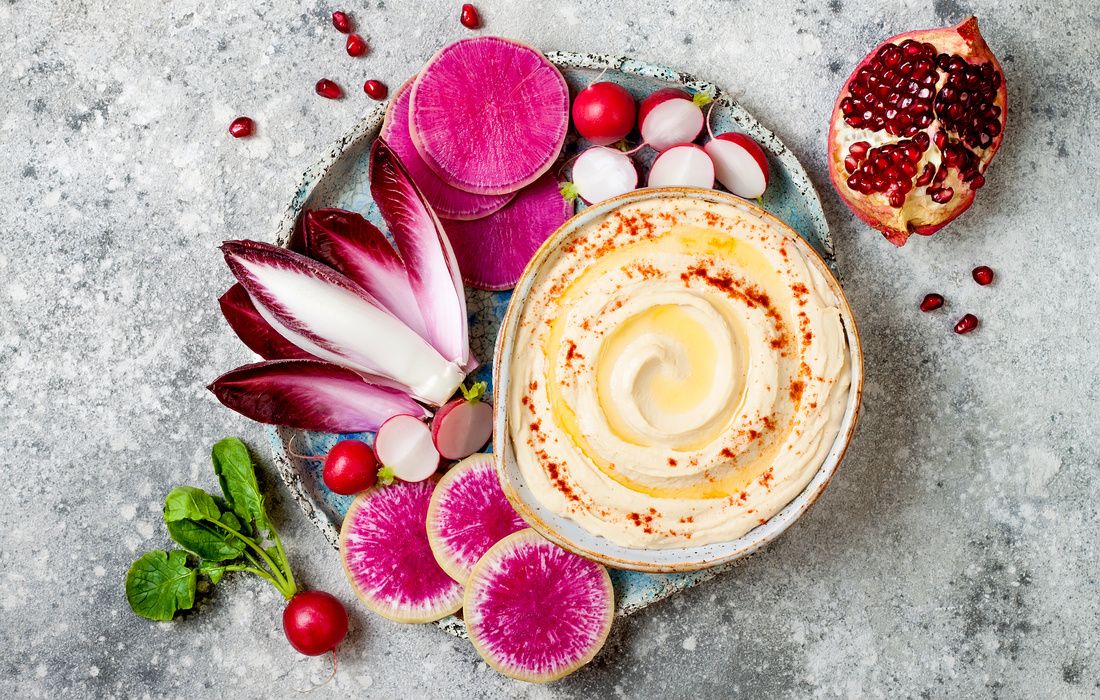
Detoxification is a fundamental process your body performs every single day to break down, neutralize, and eliminate toxins. But in today’s world, our detox systems can easily become overwhelmed. From pesticides and plastics to stress hormones and excess estrogens, we’re exposed to far more environmental and internal stressors than our ancestors ever were.
The good news? You don’t need to follow an extreme cleanse to support your detox pathways. In fact, the most powerful and sustainable detox begins with food. Whole, nutrient-rich, beautifully colored food.
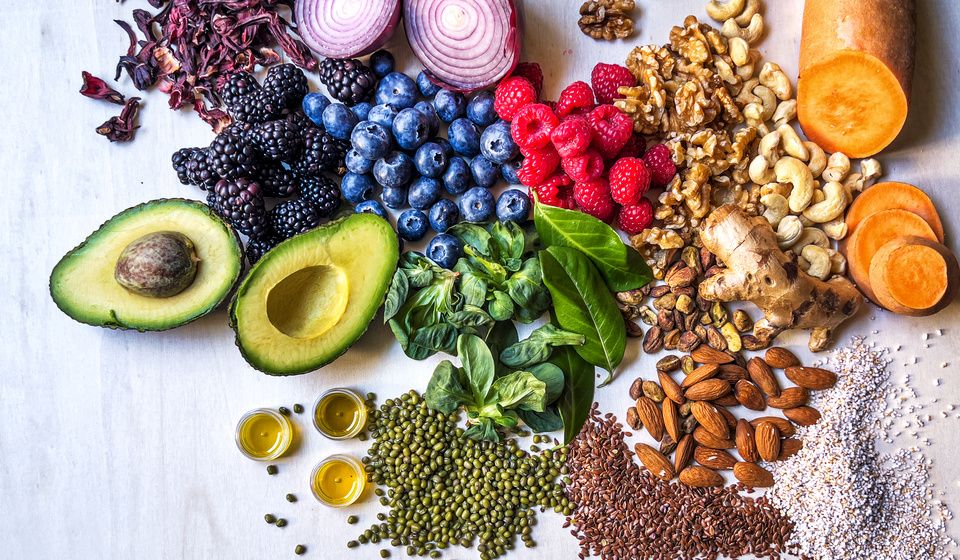
Incorporating detox-supportive foods into your meals is simple and deeply satisfying. Whether it’s a steaming bowl of garlicky greens, a citrus-kissed lentil salad, or a soothing turmeric broth, each bite becomes a form of nourishment that helps your body do what it was designed to do. Cleanse, repair, and restore.
Let your body guide you.
Sometimes you might feel drawn to purple foods—berries, beets, red cabbage—and find yourself eating them every day for a week or more. Then something shifts. Suddenly, you’re craving the grounding energy of orange root vegetables, or the crisp bite of bitter greens. This is your body speaking in color, texture, temperature, and taste pointing you toward the foods that offer the nutrients you most need.
So as you explore this list, pay attention to what resonates. What draws your eyes, your senses, and your appetite? Let food become both a science and an art, anchored in research, but guided by intuition.
Below are 11 of the most supportive detox foods to begin weaving into your daily meals, along with the science behind why they work, and creative ways to make them part of your meal rhythms.
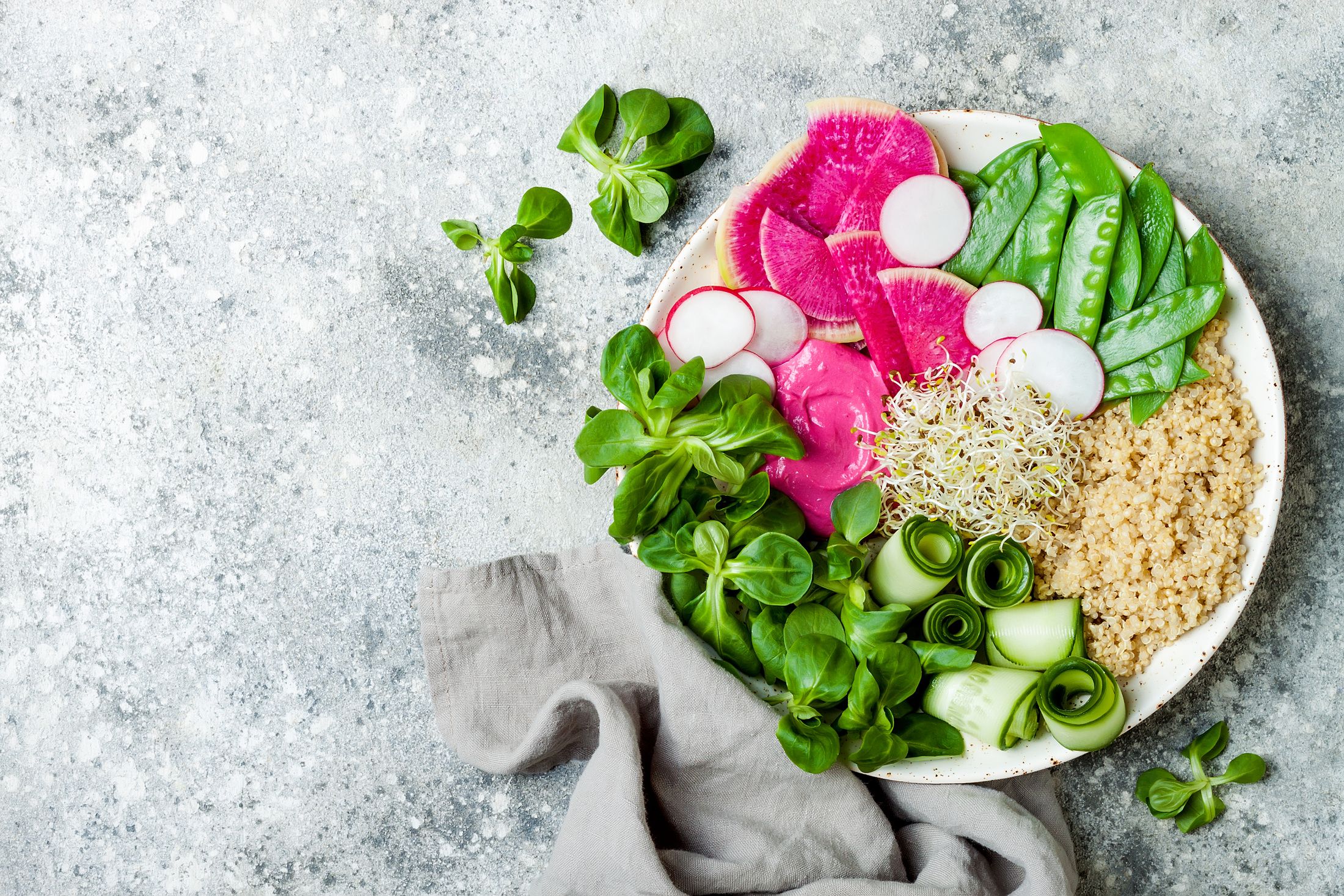
11 Foundational Detox Foods
Each of these foods works in a unique way to enhance detoxification—supporting your body’s built-in ability to heal, rebalance, and release what it no longer needs.
1. Cruciferous Vegetables
Examples: Broccoli, kale, cabbage, arugula, Brussels sprouts, radishes, broccoli sprouts, cauliflower, kohlrabi
Cruciferous vegetables are rich in glucosinolates—compounds that transform into sulforaphane and indole-3-carbinol, which support Phase II detoxification and hormonal balance. They stimulate the Nrf2 pathway, helping your cells create their own antioxidant and detox enzymes.
Note: The enzyme myrosinase (activated by chopping or chewing) is required to convert glucosinolates into their active forms. Adding in raw cruciferous veggies to your meals offers plenty of this enzyme. Cruciferous vegetables also provide B vitamins such as folate (B9), which supports methylation, and small amounts of B6, which is needed for amino acid metabolism and glutathione synthesis.
Key Compounds: Glucosinolates (sulforaphane, indole-3-carbinol), fiber
Detox Mechanism: Activates Nrf2 signaling, enhances Phase II conjugation, supports estrogen metabolism
Try: A raw cruciferous detox slaw, winter cabbage and fennel salad, or garlic-kale sauté with lemon
2. Citrus Fruits
Examples: Lemons, limes, oranges, grapefruit, tangerines, mandarins
Vitamin C and citrus flavonoids support liver detox enzymes and help recycle glutathione—your body’s master antioxidant. Citrus acids also stimulate bile flow and aid digestion. Citrus pectin and flavonoids support gut barrier function, modulate the microbiome, and encourage the production of short-chain fatty acids like butyrate—further enhancing detoxification via the gut-liver axis.
Key Compounds: Vitamin C, naringenin, hesperidin, pectin
Detox Mechanism: Supports glutathione and liver enzyme function; supports gut microbiome
Try: Warm lemon water in the morning, whole peeled citrus fruits added to smoothies, or citrus-dressed salads
3. Garlic and Onions
Examples: Garlic, yellow onions, red onions, scallions, shallots
These alliums contain organosulfur compounds that enhance glutathione production and support liver detoxification. Garlic, in particular, helps eliminate heavy metals and pathogens from the body. For maximum potency, use garlic raw or freshly crushed—this activates the enzyme alliinase, producing allicin, a highly reactive compound with antimicrobial benefits. Though allicin is heat-sensitive and degrades quickly when cooked, its breakdown products—diallyl sulfides—remain biologically active and continue to support detoxification, particularly through liver enzyme activation.
Key Compounds: Allicin, diallyl sulfides
Detox Mechanism: Stimulates glutathione and conjugation pathways, supports liver enzyme function
Try: Garlic hummus, raw sweet onions in salads, crushed raw garlic in salad dressings, or sautéed onions in soups and stir-fries
4. Green Tea and Matcha
Examples: Organic green tea, ceremonial-grade matcha
Green tea catechins (especially EGCG) reduce inflammation, boost antioxidant defenses, and support Phase I/II liver detox enzymes. Matcha provides a more concentrated dose and adds L-theanine to calm the nervous system.
Key Compounds: EGCG, catechins, L-theanine
Detox Mechanism: Enhances antioxidant capacity, Phase I and II detox enzymes
Try: A morning matcha latte or chilled green tea with mint
5. Berries & Pomegranate
Examples: Blueberries, raspberries, blackberries, cranberries, strawberries, pomegranate arils
Berries and pomegranates are rich in anthocyanins and other polyphenols that reduce oxidative stress and feed beneficial microbes. Their soluble fiber aids Phase III detox (elimination) helping to bind toxins in the gut. Pomegranates contain ellagitannins that convert into urolithins—compounds with liver and microbiome-supportive effects.
Key Compounds: Anthocyanins, flavonols, fiber
Detox Mechanism: Antioxidant protection, toxin binding in the gut, liver support
Try: Berry-chia pudding, berries added to salads, pomegranate arils on salads or chia pudding, or an antioxidant-rich berry smoothie
6. Seeds
Examples: Flax, chia, pumpkin, sunflower, sesame
Seeds offer essential minerals (magnesium, zinc), fiber to bind toxins, and healthy fats to stimulate bile flow. Flaxseeds in particular are rich in lignans that assist estrogen metabolism. Omega-3s from seeds also help to create an anti-inflammatory environment that reduces overall detox burden.
Pumpkin seeds in particular provide B vitamins such as niacin (B3) and folate (B9), supporting energy metabolism and methylation. They’re an excellent source of magnesium too—an essential mineral that supports the entire arc of detoxification.
Key Compounds: Fiber, omega-3s, lignans, magnesium
Detox Mechanism: Binds bile acids and toxins, promotes elimination, supports hormone clearance
Try: Chia seeds added to smoothies, chia seed pudding, toasted pumpkin seeds on top of salads and slaws, Banana-Flax Cereal
7. Turmeric
Examples: Fresh turmeric root, turmeric powder, curcumin supplements
Curcumin enhances liver detox enzymes, supports bile production, and helps maintain gut lining integrity. Its anti-inflammatory effects help reduce the burden on detox organs.
Key Compounds: Curcumin, turmerones
Detox Mechanism: Activates Phase II detox, enhances gut barrier, modulates bile flow
Try: Golden turmeric latte with coconut milk and warming spices, turmeric broth, or turmeric in curries
8. Amino Acids from Lean Proteins
Examples: Wild salmon, grass-fed meats, lentils, chickpeas, pasture-raised eggs
Amino acids derived from dietary protein sources are essential for Phase II liver detoxification, supporting key processes such as sulfation, acetylation, methylation, amino acid conjugation, and glutathione synthesis. These pathways help transform and neutralize toxins, either making them easier to eliminate from the body or reducing their harmful effects. Taurine and glycine also contribute to bile acid conjugation, aiding in fat digestion and the elimination of fat-soluble toxins through bile. Without sufficient protein intake, these detoxification mechanisms may become compromised, potentially reducing toxin clearance and increasing oxidative stress.
Protein-rich foods also contain B vitamins such as B6 (for amino acid metabolism), B12 (for methylation), and B2 (for glutathione recycling). Plant protein sources like lentils and chickpeas provide important amino acids but generally have lower bioavailability compared to animal proteins and may lack some essential amino acids.
Key Compounds: Methionine, glycine, cysteine, taurine, glutamine
Key amino acid sources:
• Methionine: Eggs, beef, chicken, turkey, salmon, Brazil nuts, sesame seeds
• Glycine: Bone broth, chicken skin, collagen supplements, gelatin
• Cysteine: Garlic, onions, leeks, broccoli, Brussels sprouts, beef, chicken, turkey, fish
• Taurine: Beef, turkey, chicken, salmon, scallops
• Glutamine: Beef, chicken, fish, eggs, spinach, cabbage, beans, lentils
Detox Mechanism: Critical for Phase II conjugation of toxins, glutathione synthesis
Try: Turkey burgers, detox salad with lentils, sheet pan salmon, chicken salad, hummus, bone broth, or egg frittatas
9. Nuts (especially Brazil Nuts)
Examples: Brazil nuts, almonds, walnuts
Brazil nuts are one of the richest food sources of selenium, a critical mineral for glutathione peroxidase—an enzyme that neutralizes detox byproducts like hydrogen peroxide. Just 1 to 2 nuts per day is enough to meet your needs; excess intake can cause selenium toxicity.
Key Compounds: Selenium, vitamin E, fiber
Detox Mechanism: Supports glutathione function and antioxidant defense
Try: 1 to 2 Brazil nuts daily as a snack, Brazil nut berry smoothies, or pesto made with walnuts
10. Beets
Examples: Red beets, golden beets, chioggia beets
Beets contain two major detox-supportive compounds: betaine and betalains. Betaine aids methylation—a key Phase II liver process—by helping convert homocysteine to methionine, which supports hormone balance and liver detox. Betalains activate glutathione-S-transferase (GST), enhancing your body’s ability to bind glutathione to toxins for elimination. These colorful pigments also activate Nrf2, your body’s master detox switch, and reduce oxidative stress and inflammation. For maximum benefit, enjoy beets raw or lightly cooked to preserve their phytonutrients.
Key Compounds: Betalains, betaine, polyphenols
Detox Mechanism: Enhances Phase II detox, supports methylation, promotes bile flow, antioxidant protection
Try: Roasted beets, beets added to smoothies, grated beets in salads, grated beets and carrots in salads
11. Bitter Greens
Examples: Dandelion greens, arugula, endive, mustard greens, radicchio, kale
Bitter greens contain sesquiterpene lactones (SLs) that activate bitter taste receptors (T2Rs) in the mouth and gut, stimulating digestive secretions such as saliva, gastric acid, pancreatic enzymes, and bile. Traditionally, bitter foods have been used to support liver and gallbladder function by promoting bile flow, which aids in the digestion and elimination of fat-soluble toxins. Additionally, bitter greens provide folate and fiber, supporting methylation and the body’s elimination processes.
Key Compounds: Sesquiterpene lactones, folate, fiber
Detox Mechanism: Stimulates bile flow, promotes digestive enzyme secretion, supports elimination
Try: Add to green smoothies or serve fresh with a citrus vinaigrette
Bonus: Hydration + Movement Matter Too ✨
No detox is complete without water and movement. Water helps flush out water-soluble toxins via the kidneys, while daily movement activates lymphatic flow and sweat—a major detox organ. Adding electrolytes (like lemon, coconut water, a pinch of sea salt, or a magnesium-rich powder) can improve hydration status and support cellular detox.
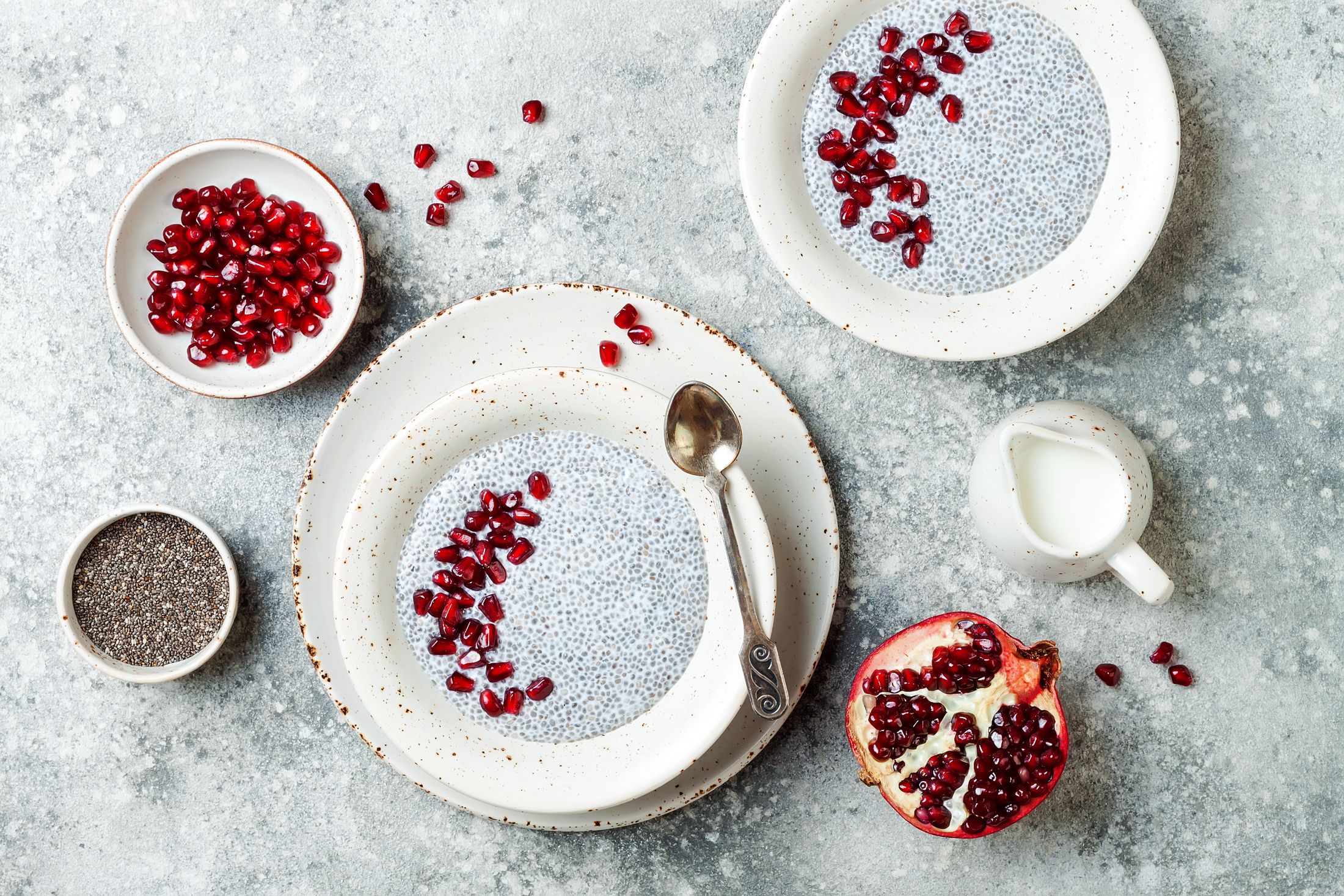
Let Your Body Lead the Way
When you begin to nourish your body with these supportive foods, something remarkable happens. Your body begins to let go of what isn’t needed—allowing you to feel lighter, clearer, and more energized. You may notice clearer skin, lighter digestion, more energy, and a deeper sense of connection with yourself.
Detox isn’t about deprivation—it’s about restoration.
You simply need to offer your body the nutrients it needs to do what it was designed to do—cleanse, repair, and restore.
➤ Ready to Go Deeper?
Explore our detox-supportive meal plans and recipes in the Nourishing Meals® Membership. You’ll find:
- Anti-inflammatory detox bowls
- Cruciferous-rich slaws and smoothies
- Gut-loving soups and teas
- High-quality protein ideas for daily support
And so much more—each recipe designed to help you return to balance, one nourishing choice at a time.
References
- Ansary, J., Forbes-Hernández, T. Y., Gil, E., Cianciosi, D., Zhang, J., Elexpuru-Zabaleta, M., Simal-Gandara, J., Giampieri, F., & Battino, M. (2020). Potential health benefit of garlic based on human intervention studies: A brief overview. Antioxidants (Basel, Switzerland), 9(7), 619. https://doi.org/10.3390/antiox9070619
- Cascajosa-Lira, A., Prieto, A. I., Pichardo, S., Jos, A., & Cameán, A. M. (2024). Protective effects of sulforaphane against toxic substances and contaminants: A systematic review. Phytomedicine: International Journal of Phytotherapy and Phytopharmacology, 130, 155731. https://doi.org/10.1016/j.phymed.2024.155731
- Fahey, J. W., Liu, H., Batt, H., Panjwani, A. A., & Tsuji, P. (2025). Sulforaphane and brain health: From pathways of action to effects on specific disorders. Nutrients, 17(8), 1353. https://doi.org/10.3390/nu17081353
- Ghosh, S. S., Gehr, T. W. B., & Ghosh, S. (2018). Curcumin: Health effects, mechanisms of action and clinical utility. Tissue Barriers, 6(1), e1425085. https://doi.org/10.1080/21688370.2018.1425085
- Gould, R. L., & Pazdro, R. (2019). Impact of supplementary amino acids, micronutrients, and overall diet on glutathione homeostasis. Nutrients, 11(5), 1056. https://doi.org/10.3390/nu11051056
- Martins, I. C. V. S., Maciel, M. G., do Nascimento, J. L. M., Mafra, D., Santos, A. F., & Padilha, C. S. (2023). Anthocyanins-rich interventions on oxidative stress, inflammation and lipid profile in patients undergoing hemodialysis: Meta-analysis and meta-regression. European Journal of Clinical Nutrition, 77(3), 316–324. https://doi.org/10.1038/s41430-022-01175-6
- McCarty, M. F., O’Keefe, J. H., & DiNicolantonio, J. J. (2018). Dietary glycine is rate‑limiting for glutathione synthesis and may have broad potential for health protection. Ochsner Journal, 18(1), 81–87. PMID 29559876; PMCID PMC5855430. Retrieved from https://www.ncbi.nlm.nih.gov/pmc/articles/PMC5855430/
- Mousavi, M., Abedimanesh, N., Mohammadnejad, K., Sharini, E., Nikkhah, M., Eskandari, M. R., Motlagh, B., Mohammadnejad, J., Khodabandehloo, H., Fathi, M., & Talebi, M. (2022). Betanin alleviates oxidative stress through the Nrf2 signaling pathway in the liver of STZ-induced diabetic rats. Molecular Biology Reports, 49(10), 9345–9354. https://doi.org/10.1007/s11033-022-07781-8
- Muhammad, I., Wang, H., Sun, X., Wang, X., Han, M., Lu, Z., Cheng, P., Hussain, M. A., & Zhang, X. (2018). Dual role of dietary curcumin through attenuating AFB1-induced oxidative stress and liver injury via modulating liver Phase-I and Phase-II enzymes involved in AFB1 bioactivation and detoxification. Frontiers in Pharmacology, 9, 554. https://doi.org/10.3389/fphar.2018.00554
- Na, H. K., & Surh, Y. J. (2008). Modulation of Nrf2-mediated antioxidant and detoxifying enzyme induction by the green tea polyphenol EGCG. Food and Chemical Toxicology, 46(4), 1271–1278. https://doi.org/10.1016/j.fct.2007.10.006
- Paoletti, A., Pencharz, P. B., Rafii, M., Tomlinson, C., Kong, D., Xu, L., Elango, R., & Courtney-Martin, G. (2024). Protein intake affects erythrocyte glutathione synthesis in healthy adults aged ≥60 years in a repeated-measures trial. The American Journal of Clinical Nutrition, 119(4), 917–926. https://doi.org/10.1016/j.ajcnut.2024.02.002
- Pascale, N., Gu, F., Larsen, N., Jespersen, L., & Respondek, F. (2022). The potential of pectins to modulate the human gut microbiota evaluated by in vitro fermentation: A systematic review. Nutrients, 14(17), 3629. https://doi.org/10.3390/nu14173629
- Ribeiro, M., Alvarenga, L., Coutinho-Wolino, K. S., Nakao, L. S., Cardozo, L. F., & Mafra, D. (2024). Sulforaphane upregulates the mRNA expression of NRF2 and NQO1 in non-dialysis patients with chronic kidney disease. Free Radical Biology & Medicine, 221, 181–187. https://doi.org/10.1016/j.freeradbiomed.2024.05.034
- Thomson, C. D., Robinson, M. F., & Butler, J. (2008). Brazil nuts and selenium status. American Journal of Clinical Nutrition, 87(2), 379–384. https://doi.org/10.1093/ajcn/87.2.379
- Yu, L., Zhao, R., Wang, C., Zhang, C., Chu, C., Zhao, J., Zhang, H., Zhai, Q., Chen, W., Zhang, H., & Tian, F. (2022). Effects of garlic supplementation on non-alcoholic fatty liver disease: A systematic review and meta-analysis of randomized controlled trials. Journal of Functional Foods, 99, 105294. https://doi.org/10.1016/j.jff.2022.105294
 More about Alissa
Add a Comment